Why Cats Eat Litter and Simple Ways to Stop the Habit
Author:sana
Released:February 9, 2026
Catching your cat nibbling on litter is one of those “wait…what?” moments. Cats are usually picky eaters, so seeing them go for something sandy or clumpy can feel pretty alarming. And honestly, it should. This isn’t just a weird habit—it’s usually a sign that something isn’t quite right.
Sometimes it’s physical, like a hidden health issue. Sometimes it’s emotional, like stress from changes at home. And sometimes, especially with kittens, it’s just curiosity gone a bit too far. Either way, it’s not something to ignore. Let’s walk through what might be going on and how to fix it.
Is It Normal for Cats to Eat Litter?
With kittens, it happens more often than you’d think. They explore the world with their mouths, just like toddlers. In those early weeks, they don’t really know the difference between “food” and “not food,” so a little accidental tasting can happen.
Adult cats are a different story. If a grown cat is going back to the litter box to eat, not just use it, something’s off. In many cases, this behavior is linked to a condition called pica—basically, a craving for things that aren’t food.
That kind of craving usually points to a deeper issue, either in the body or in the environment. And if it keeps happening, it can lead to real health problems. So once you notice it becoming a pattern, it’s time to take a closer look.
Why Cats Eat Litter
In most cases, it comes down to one of three things: health issues, behavior, or simple curiosity.
1. Medical Reasons
Sometimes your cat isn’t being “weird”, it’s trying to fix a problem in its body.
Anemia: One of the most common causes. Cats with low red blood cells may crave minerals, and clay litter can seem like a source.
Nutritional gaps: If their food is missing key nutrients like taurine or certain vitamins, they may start looking elsewhere… including the litter box.
Parasites or kidney issues: These can mess with how the body absorbs nutrients, which can lead to unusual cravings.
If the cause is medical, no amount of training will fix it, you have to address the underlying issue first.
2. Behavioral Reasons
Cats don’t just act out randomly. Their environment plays a huge role in what they do.
Stress or anxiety: Changes like moving, a new pet, or even a different daily routine can throw them off. Some cats cope by chewing or eating things they shouldn’t.
Boredom: An understimulated indoor cat will find ways to entertain itself, and sometimes that means messing with the litter box.
In these cases, eating litter can become a kind of coping habit.
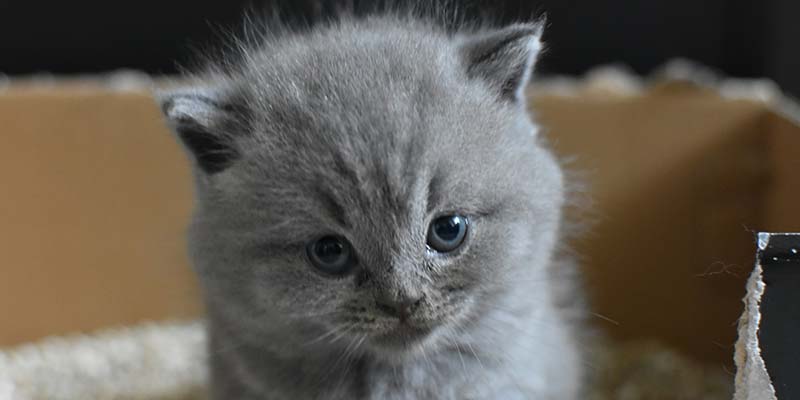
3. Curiosity (Especially in Kittens)
Kittens explore everything with their mouths. Litter just happens to be part of their environment.
It gets trickier if you’re using natural litters made from corn, wheat, or grass. These can actually smell like food, making them extra tempting. Some cats are also drawn to certain textures, especially ones that resemble soil or grains.
The Real Risks of Ingestion
This isn’t just unpleasant. It can be dangerous.
Clumping litter is designed to expand when it gets wet. If a cat swallows it, it can swell inside the digestive system and cause a blockage, which can quickly become life-threatening. Even non-clumping litter isn’t harmless. It can irritate the stomach and intestines.
Just as important, this behavior is often a symptom. If you only stop the behavior, for example by changing the litter, but ignore the cause, you could miss something serious like anemia or chronic stress.
When to Call the Vet
Don't take a "wait and see" approach if the behavior persists. Experts note that pica in cats can often be linked to serious medical issues like feline leukemia or FIV, which require a professional diagnosis.
Seek veterinary help immediately if you notice:
Lethargy or extreme tiredness.
Pale gums (a classic sign of anemia).
Vomiting, diarrhea, or blood in the stool.
The cat is also eating other strange items like plastic, string, or wool.
How to Stop a Cat From Eating Litter
Ending this habit requires looking at the cat’s body, mind, and environment all at once.
Start with a Health Check
Before trying to “train” your cat, make sure there’s nothing physically wrong. A blood test can catch mineral deficiencies, parasites, or other issues that might be driving the behavior. If the body is healthy, it’s easier to tackle the habit.
Check the Diet
Focus on a high-quality, meat-based diet. Many budget brands are heavy on fillers and light on the specific amino acids cats require. Research shows that cats need very specific nutrients like taurine that are only found in animal tissues. If the diet is balanced and nutrient-dense, the cat has less reason to go "mining" for minerals.
Add More Fun and Stimulation
A happy cat is a busy cat. If the vet gives a clean bill of health, turn your attention to their daily routine:
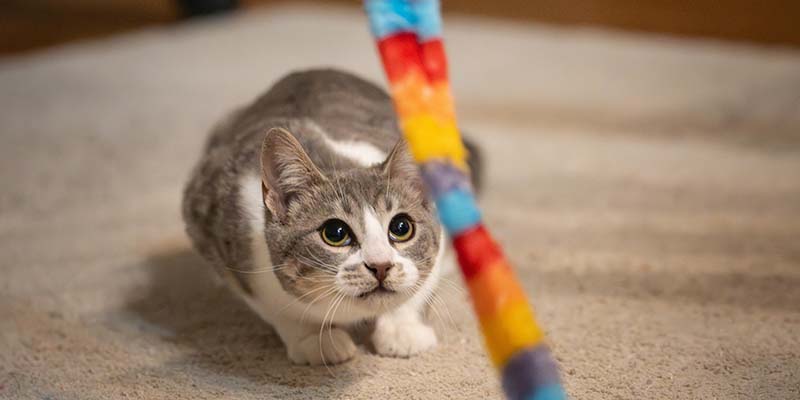
Active Play: Use wand toys to mimic a hunt. This burns off the mental energy that might otherwise lead to pica.
Safe Chews: Provide "cat grass" (oats or wheatgrass) as a safe, healthy outlet for their need to chew.
Vertical Space: Perches and cat trees help reduce the anxiety that can trigger stress-eating.
Tweak the Litter Setup
A simple change in hardware can often break the cycle:
Switch Materials: If you use a food-based litter (corn/wheat), try switching to a fragrance-free paper-based litter that is less "tasty" and safer if swallowed.
The "N+1" Rule: Ensure you have enough boxes (one for each cat, plus one extra). This reduces competition and stress in multi-cat homes.
Keeping the Box for Business Only
Once you've solved the immediate problem, consistency keeps it from coming back. Cats thrive on a predictable life. Keep feeding times and play sessions regular to prevent "hunger-based" scavenging.
Experts emphasize that preventing boredom through environmental enrichment is the most effective way to stop repetitive behavioral issues. By keeping the home environment stable and the diet complete, you ensure the litter box remains a bathroom, not a buffet.
The Long-Term Outlook
While the sight of your cat eating litter is jarring, it is almost always a solvable problem. Most owners find that once a nutritional gap is filled or a stressor is removed, the habit disappears as quickly as it arrived. The bond you have with your cat is built on observation—by catching this strange habit early, you are already providing the care they need to stay healthy for years to come.
Related Posts
Homemade Cat Wand Toy Ideas That Keep Cats Engaged
The Best Ways to Introduce a New Litter Box to Your Cat
Dry Cat Nose: What’s Normal, What’s Not, and When to See a Vet
Daily Brushing Routines To Prevent Dental Issues In Cats
Adopting a Cat in 2026: Costs, Prep & Finding the Right Match